I.
Know yourself.
Notice the habits, fears, desires and explanations that quietly shape your choices. Awareness is the beginning of a freer response.
An invitation to examine what is real, recognise the dignity of other lives, and take responsibility for the person we are becoming.
Public introduction · Book edition currently under editorial review
Theonoeticism begins with an affirmation of meaning and a responsibility to question. Its convictions may be expressed strongly, but they are not grounds for possessing another person's conscience.
Notice the habits, fears, desires and explanations that quietly shape your choices. Awareness is the beginning of a freer response.
Another person is not an extension of your experience. Their inner life is real, their dignity is not yours to grant, and their conscience cannot be owned.
Understanding matters when it shapes how we choose, act, repair harm and live alongside the consequences of what we have done.
The five movements are an accessible orientation for reflection and action, not a compulsory ritual or a ranking system.
When repair is necessary, it belongs within Integration. The work continues; “Continue” is not a sixth movement.
Understand the movements →Question the philosophy. Test its reasoning. Ask what it does not know. The interpreter searches the full text of the 37-chapter R38 review manuscript. This unpublished draft is not an authorised edition or a claim to Divine authority.
Question logging: Every submitted question is automatically stored privately for research and improvement (without visitor accounts). Do not include personal or sensitive information. Privacy details.
Checking question-log connection…
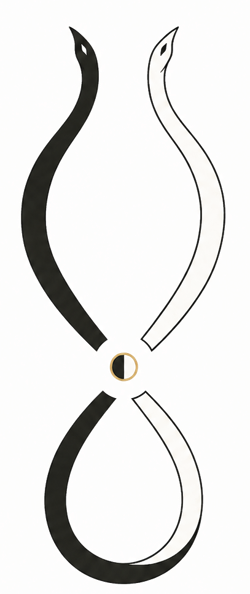
The Philosophy and Practice of Theonoeticism
A sustained exploration of conscious subjecthood, the Divine, the reality of other people and the ethics of Becoming. It offers convictions without inventing certainty, and it preserves serious objections where they matter.
No payments or pre-orders are collected. Interpreter questions are logged privately and automatically for research.
No. Theonoeticism affirms real distinct subjecthood and explores a subject-process model, but metaphysical Spirit and survival have not been scientifically established. See M1 and M2.
Founder-approved interpretation excludes direct Divine selection of specific physical outcomes. This remains a theological position, not a demonstrated physical limit. See F1.
No. Theonoeticism rejects spiritual debt and explanations that blame victims. A positive answer to the deeper problem of suffering remains unresolved. See F2.
No. The philosophy recognises the possibility of real goodness, moral clarity and conscience among people who do not profess its metaphysical beliefs. See F4.